




If there’s one book I could read over and over again, it’s The Great Gatsby by F. Scott Fitzgerald.
It’s not just the story that pulls me in—it’s the rhythm of the words, the melancholy beauty of the characters, and the subtle heartbreak woven into every glittering scene. Every time I return to it, I discover something new. A line I skimmed over before now stops me in my tracks. A character I once pitied suddenly feels sharper, more flawed, more real.

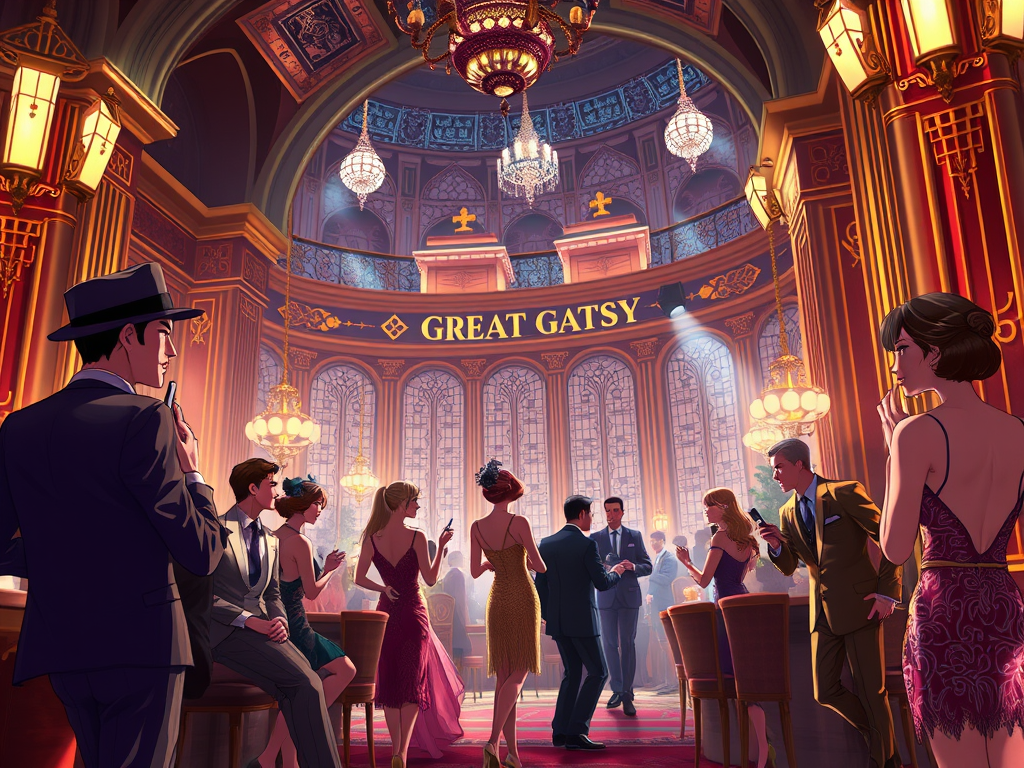
Set against the backdrop of the roaring 1920s, The Great Gatsby captures more than a moment in time. It speaks to ambition, illusion, love, loss, and the ever-elusive nature of the American Dream. Gatsby’s unrelenting hope, that green light across the bay, has become one of the most enduring symbols in literature.
The beauty of this book is that it’s short but layered. You can finish it in a day, but the themes linger in your mind for weeks. And the language—Fitzgerald’s prose—is so precise, so musical, that you don’t just read it; you feel it.
I’ve read it in high school for class, as an adult for pleasure, and during quiet nights when I just wanted something familiar yet profound. Each time, I come back changed—and Gatsby meets me where I am.
For me, The Great Gatsby isn’t just a story about wealth, longing, and tragedy. It’s a reminder of how powerful literature can be, how a single novel can stay relevant, resonant, and heartbreaking no matter how many times you revisit it.






 What If I...?