

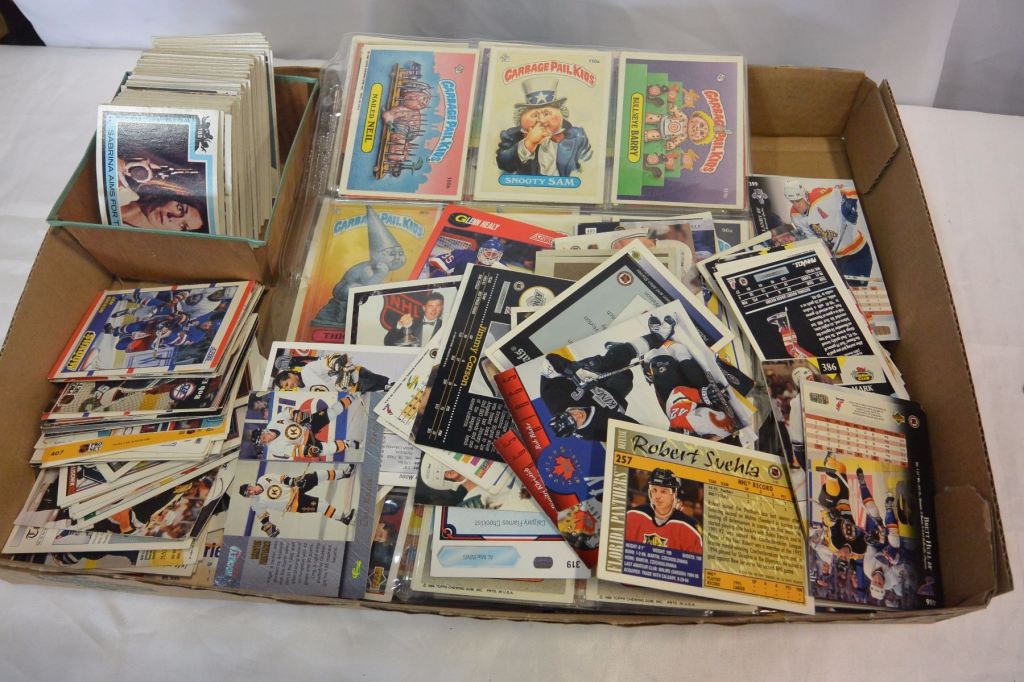
When I first started collecting sports and Pokémon cards, I had no idea it would become such a rewarding hobby. At first, it was just about the thrill of ripping open a fresh pack and hoping for something rare. But over time, I realized that collecting is much more than that. It’s strategy, patience, and a bit of luck all rolled into one. If you’re thinking about diving into the world of card collecting, here’s what I’ve learned along the way.
1. Start with a Focus
When I started, I wanted everything. Every player, every set, every shiny Pokémon card. That’s a fast way to get overwhelmed—and broke. I quickly realized it’s smarter to focus. For sports cards, I started with players from my favorite team. For Pokémon, I decided to chase full art cards from a single set.
Pro Tip: Pick a niche. It could be a specific team, player, set, or type of card (like rookie cards, holographics, or vintage sets). This gives your collection purpose and makes it more exciting when you find something that fits your goal.
2. Learn the Basics of Card Value
Early on, I’d get excited about any shiny card or rookie card. I’d think, “This must be valuable!” But card value isn’t just about rarity—it’s about demand, condition, and market trends. I’ve learned to research before getting too attached to a card’s “potential value.”
- Condition Matters: Collectors love “mint” condition cards. Even a tiny ding on a corner can drop the value significantly. I’ve invested in penny sleeves and hard plastic top-loaders to protect my favorites.
- Grading Services: If you’ve got a rare or high-end card, it’s worth getting it graded by a service like PSA or Beckett. A PSA 10 can be worth way more than a raw card.
- Market Trends: Some cards rise in value after a player’s breakout performance or a Pokémon set goes out of print. I’ve learned to keep an eye on sports highlights and Pokémon community news.
3. Where to Find Cards
I’ve hunted for cards in a lot of places, and each one has its pros and cons.
- Retail Stores: Big-box stores like Walmart and Target stock Pokémon cards, but good luck finding them in stock. Sports card blaster boxes are hit-or-miss, but nothing beats grabbing a sealed box from the shelf.
- Online Marketplaces: eBay is a goldmine, but it’s also risky. I’ve learned to check seller feedback and always ask for clear photos of the card’s condition.
- Local Card Shops (LCS): Visiting an LCS is a vibe. You’re surrounded by other collectors, and you can see the cards in person before buying. Plus, shop owners often have great advice.
- Trade Shows & Conventions: Card shows are where you’ll find serious collectors, rare cards, and lots of trading opportunities. I’ve met people who’ve helped me track down grail cards that I’d never find on my own.

4. Build Relationships with Other Collectors
When I started collecting, I was on my own. But once I connected with others—through forums, social media groups, and local events—I learned so much faster. Other collectors know the market, they’ve got trade connections, and sometimes they’ll give you tips on which products are “hot” before everyone else finds out.
- Online Communities: I’ve joined Facebook groups and Discord channels dedicated to card collecting. People share their pulls, ask for advice, and make trades. It’s like a modern-day trading post.
- Trade Smart: Trading is fun, but I’ve been burned before. Make sure you’re trading for something you really want, and be aware of the relative value of each card. Nobody wants to look back and realize they traded away a gem for a dud.
5. Keep Your Collection Organized
When I first started, I’d stack cards in random boxes and drawers. It was chaos. Now, I’ve got binders, dividers, and proper storage boxes to keep everything neat.
- Card Binders: Great for showing off a collection, but I’ve learned to use them only for lower-value cards.
- Top Loaders & Magnetic Cases: For high-value cards, I’ve moved to hard plastic top loaders or magnetic one-touch cases. It’s an investment, but it’s worth it for peace of mind.
- Label Your Binders: I’ve got a binder just for Pokémon “Full Arts” and another one for my “Rookie Sports Cards.” This makes it easy to find what I’m looking for.
6. Enjoy the Journey, Not Just the Hits
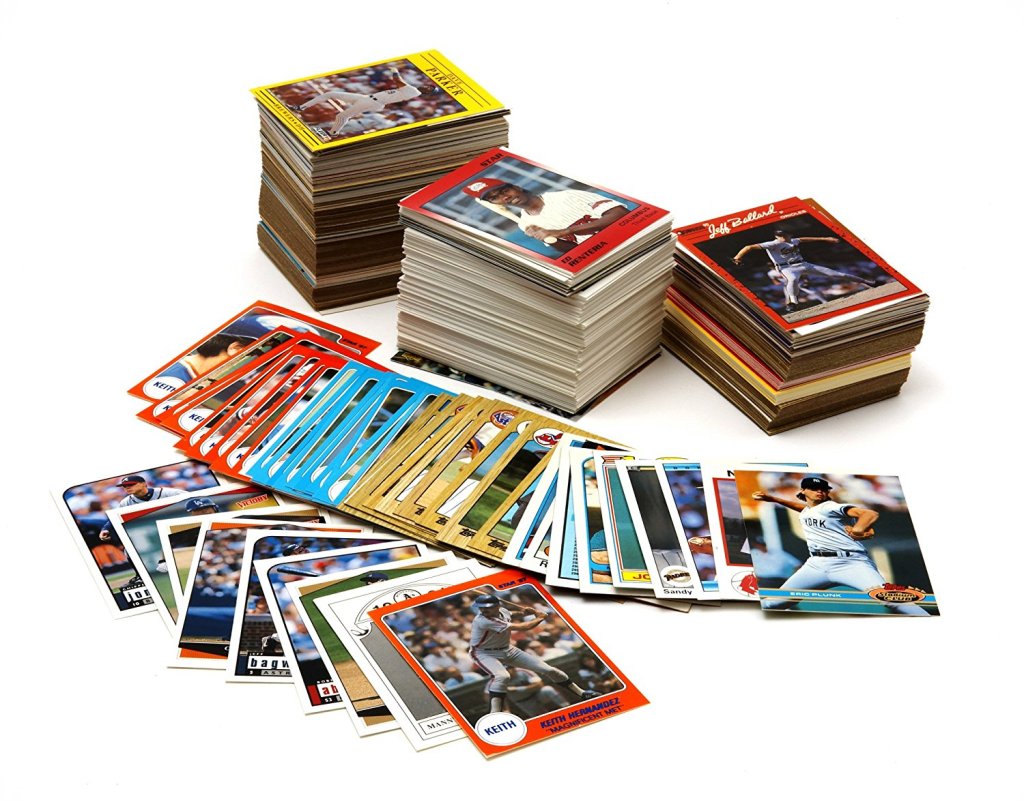
There’s a rush that comes with pulling a rare card, but I’ve learned that collecting is more about the journey than the jackpot. I’ve spent afternoons sorting cards, flipping through old binders, and sharing cool finds with friends. That’s where the real joy comes in.
- Set Goals: Maybe you’re aiming to complete a full Pokémon set or collect every rookie card for a specific player. Goals keep you focused and make each addition to your collection feel more meaningful.
- Don’t Chase FOMO (Fear of Missing Out): It’s easy to feel like you have to buy every new set or box drop, but I’ve learned to wait. Sometimes prices drop after the initial hype fades. Patience can save you money.
Final Thoughts
Collecting cards has become one of my favorite hobbies. It’s part treasure hunt, part investment, and part community experience. Every card has a story, and every collector’s journey is unique. Whether you’re just starting or you’re looking for that one missing card to complete your set, I’m here to tell you—stick with it. The thrill is real, and the community is welcoming.
If you’ve been thinking about starting your own collection, my advice is simple: just start. Pick up a pack, open it up, and see where it takes you. Who knows—that first pull might just be the start of something big.
Check Out Our Store!
Looking for rare sports and Pokémon cards? Visit our eBay store, NEO Rick’s Cards & Collectibles, where you’ll find an ever-growing collection of must-have cards. From vintage classics to the latest releases, there’s something for every collector. Don’t miss out—browse our store here: Neo Rick’s Collectibles | eBay Stores






 What If I...?